All You Need Is Zinc: Benefits, Symptoms, and Supplements

bazaaricablogs
January 22, 2025
All You Need Is Zinc: Benefits, Symptoms, and Supplements
By Dr. Nur Yılmaz

Zinc is an essential mineral that plays a vital role in maintaining a healthy body. From boosting immunity to improving skin health, the benefits of zinc are numerous and indispensable. However, zinc deficiency is more common than we think, affecting millions of people around the world. In this article, we will learn about the role of zinc in the body, the symptoms of its deficiency, and how to maintain its normal levels.

Zinc Benefits فوائد الزنك

Zinc Benefits :

Zinc is involved in more than 300 biochemical reactions in the body. It is essential for DNA formation, cell division, and immune function. The human body contains an average of 2-3 grams of zinc bound to proteins, reflecting its great importance.

Here are the most important benefits of zinc:

  • Boost immunity: Zinc strengthens immune cell function and helps reduce the duration of colds if taken early.
  • Skin health: Its anti-inflammatory properties speed up wound healing and improve conditions such as acne and eczema.
  • Improved brain function: Zinc improves memory and mood, and its deficiency is linked to conditions such as hyperactivity and depression.
  • Accelerated healing: Zinc speeds up tissue repair and reduces the appearance of scars.
  • Regulate hormones: Supports testosterone production and may relieve chronic inflammation.

Best sources of zinc:

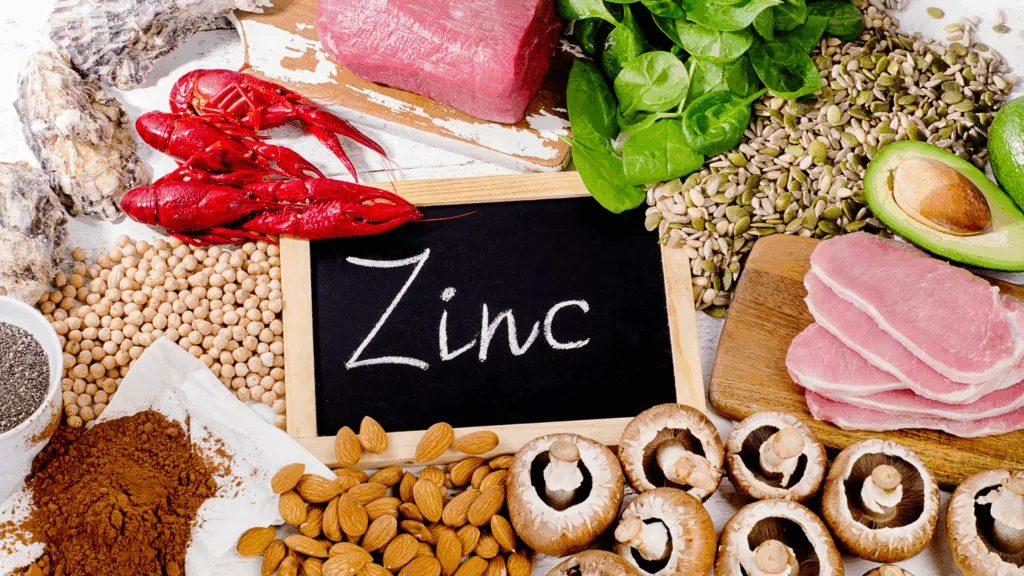
To get zinc naturally, you can add these zinc-rich foods to your diet:

Oysters: 74 mg (per 3 grams) – the richest source of zinc.
Roast beef: 7 mg – packed with protein and zinc.
Crab: 6.5 mg – delicious and healthy.
Baked beans (½ cup): 2.9 mg – a great choice for vegetarians.
Fortified breakfast cereals: 3.5 mg – easy to prepare and nutritious.

Are you zinc deficient?

Zinc deficiency is often unnoticed, but it can cause several health problems, such as:

Recurring infections or colds
Hair loss or thinning
Delayed wound healing
Loss of the sense of smell or taste
White spots on the nails
Those most at risk of zinc deficiency are children, pregnant women, the elderly, and those who suffer from chronic diseases or problems absorbing nutrients.

How do you detect zinc deficiency?

To diagnose zinc deficiency, you can have your blood levels tested. The most important symptoms are:

Weakened immunity
Skin problems, especially around the mouth or eyes
Changes in appetite or taste
If you notice any of these symptoms, consult your doctor for a proper diagnosis.

Zinc Supplements: Which Type to Choose?

There are different types of zinc supplements. Here are the most common:

Zinc gluconate: Economical and widely available, good for treating colds.

Zinc picolinate: Highly absorbable but more expensive.

Zinc citrate: Good balance between absorption and cost.

Zinc oxide: Economical but less absorbable.

To maintain good health, the following is recommended:
Men (19 years and older): 11 mg/day
Women (19 years and older): 8 mg/day
Pregnant women: 11 mg/day
Breastfeeding women: 12 mg/day
For therapeutic purposes, doses can reach 25-50 mg daily, but consult your doctor before exceeding the recommended limit.

Risks of Excessive Zinc:

Taking too much zinc can be harmful, causing symptoms such as nausea, diarrhea, and immune suppression. Chronic overdoses can also affect copper absorption, leading to other problems. So stick to the recommended dosage unless your doctor advises otherwise

Conclusion:

Zinc is an essential mineral for a healthy immune system, healthy skin, and cognitive function. Zinc deficiency can negatively impact your body, but including zinc-rich sources or taking supplements can help improve your overall condition. Always consult your doctor for proper advice and to determine the right dosage for your condition.

Zinc may seem like a small element, but it makes a big difference to your health!

Frequently Asked Questions (FAQ):

Q1: What is zinc and why is it important?

A: Zinc is an essential trace mineral involved in numerous bodily functions, including:

  • Immune system support

  • Wound healing

  • DNA and protein synthesis

  • Skin health

  • Taste and smell

  • Growth and development in children

A:

  • Boosts immunity: Helps fight off infections and viruses

  • Promotes wound healing: Speeds up tissue repair

  • Supports skin health: Helps treat acne and other skin conditions

  • Improves reproductive health: Supports fertility in both men and women

  • Aids in enzyme function: Over 300 enzymes require zinc to function properly

  • Supports vision: Plays a role in eye health and may slow age-related vision loss

A:

  • Frequent colds or infections

  • Slow wound healing

  • Hair loss

  • Acne or skin issues

  • Loss of taste or smell

  • Fatigue or brain fog

  • Poor growth (in children)

  • White spots on nails

  • Decreased appetite or delayed sexual development

A:

  • Vegetarians/vegans (plant foods have lower bioavailability)

  • Pregnant and breastfeeding women

  • People with gastrointestinal conditions (e.g., Crohn’s, IBS)

  • Individuals with chronic illnesses or taking certain medications (e.g., diuretics)

  • Alcoholics (alcohol impairs zinc absorption)

A:

  • Oysters (the richest source)

  • Red meat (beef, lamb)

  • Poultry

  • Pumpkin seeds

  • Lentils and chickpeas

  • Dairy products

  • Eggs

  • Whole grains

A. Definitely! At Bazaarica, we carefully select top-rated skincare, supplements, and self-care essentials trusted by experts. Whether you’re looking for collagen, calming masks, or biotin for hair health, you’ll find everything you need to glow from within. Explore our curated wellness picks here.
A. Follow us on Instagram, Facebook, and TikTok for expert skincare tips, new arrivals, exclusive promos, and glow-up inspiration straight from our wellness team.
Share this article

Related Articles

The Importance of Omega 3: Benefits, Sources, and Best Products
May 7, 2025

The Importance of Omega 3: Benefits, Sources, and Best Products

Table of Contents The Importance of Omega 3: Benefits, Sources, and Best Products By Dr. Nur Yılmaz Omega-3 fatty acids are essential for maintaining a healthy heart, brain, and immune system. With these nutrients being so deficient in the modern diet, supplementation is essential to improve overall health. In this article, we’ll discuss the scientifically […]

Read More
Wellness and Self-Care Focus For Spring 2025 Mindful Beauty Beauty Supplements
April 11, 2025

Wellness and Self-Care Focus For Spring 2025 Mindful Beauty Beauty Supplements

Table of Contents The Ultimate Wellness and Self-Care Focus for Spring 2025: 7 Mindful Beauty & Supplement Tips By Dr. Nur Yılmaz In 2025, beauty isn’t just about skincare products—it’s about wellness and self-care too. As a dermatologist, I’ve seen firsthand how wellness and self-care-driven beauty routines can make a massive difference in skin health. […]

Read More
Types of Magnesium: Their Benefits and How to Choose the Right One for Your Health Goals
January 17, 2025

Types of Magnesium: Their Benefits and How to Choose the Right One for Your Health Goals

Table of Contents Types of Magnesium: Their Benefits and How to Choose the Right One for Your Health Goals By Dr. Nur Yılmaz Magnesium is an essential mineral for life, playing a vital role in hundreds of body processes, as well as being an electrolyte that helps maintain internal balance. There are about 25 grams […]

Read More
Arginine
April 30, 2024

Arginine

Table of Contents What is Arginine? What Are the Benefits of Arginine​? By Dr. Nur Yılmaz What is Arginine? Arginine is an amino acid that helps in protein production in the body, stands out with its essential and non-essential forms, can be taken both naturally and as a supplement, and has many health benefits. The […]

Read More

You Might Also Like